REVIEW · NORTHERN LIGHTS
Berlin: Classical concerts in Köpenick Palace – Aurora Hall
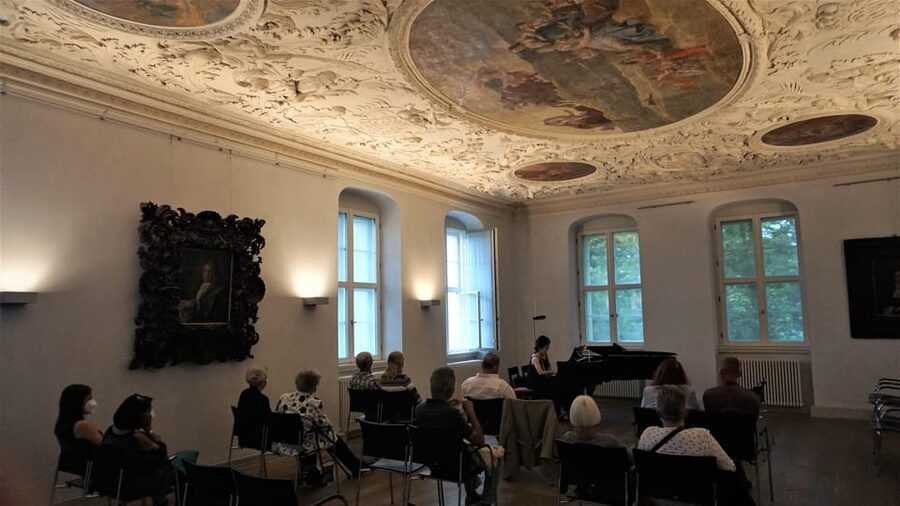
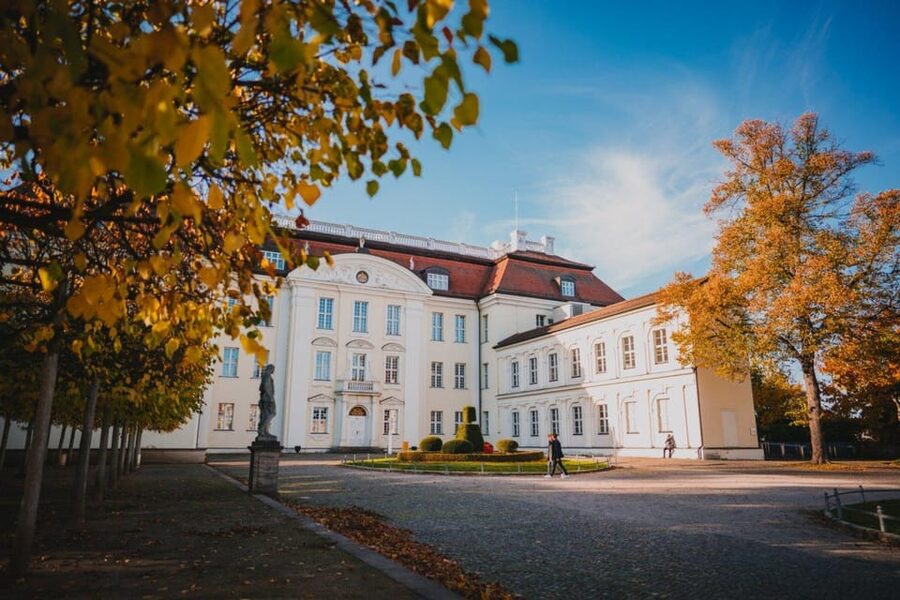
Köpenick Palace gives classical music a fitting setting: the Aurora Hall, a historic room where a 90-minute concert can feel far removed from Berlin’s busy center. The program changes by date, from Mozart piano works and opera duets to Bach sonatas, Schubert songs, and four-hand piano music.
I like the clear musical variety, and I like that museum admission is included, so you can pair the concert with a look around the palace. The main caution is comfort and reliability: one dated account described excessive heat in the hall, while another reported a paid event that did not take place and a lack of follow-up.
Key points to know before booking
- A different concert for each date: Choose from Mozart, Bach, Schubert, opera, chamber music, and piano programs.
- The setting is part of the appeal: Your concert takes place in Aurora Hall at Köpenick Palace.
- Strong range of performers: Artists include Inês Pinto, Marianne Boettcher, Naoko Fukumoto, and the Mozart Ensemble Berlin.
- Museum entry is included: You can add a cultural visit to the 90-minute performance without buying a separate museum ticket.
- Some music is presented in its original language: This matters most for songs, arias, and duets.
- A practical comfort warning: A September 2025 account described the hall as excessively hot because it had no cooling system.
Why Aurora Hall makes the music matter
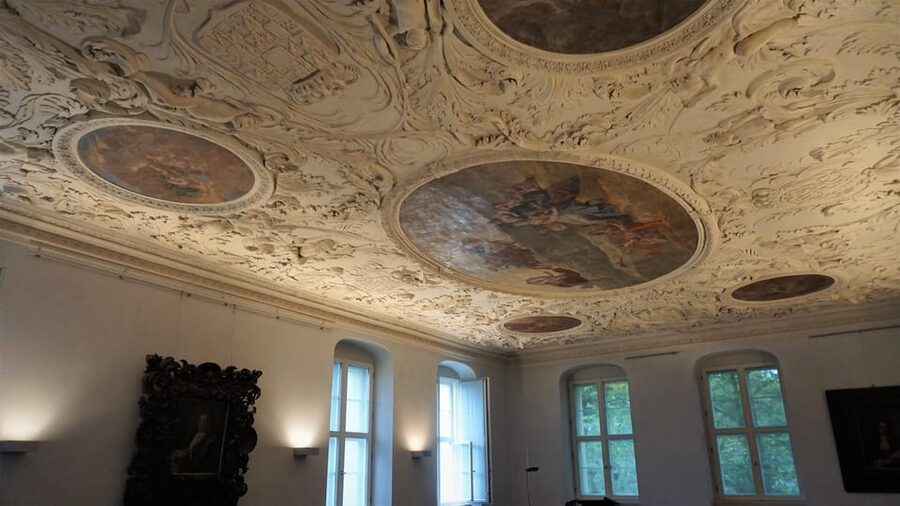
A concert in a palace room has a different feel from a performance in a modern auditorium. You are not just buying 90 minutes of music. You are hearing it in a historic setting, with the room itself forming part of the evening.
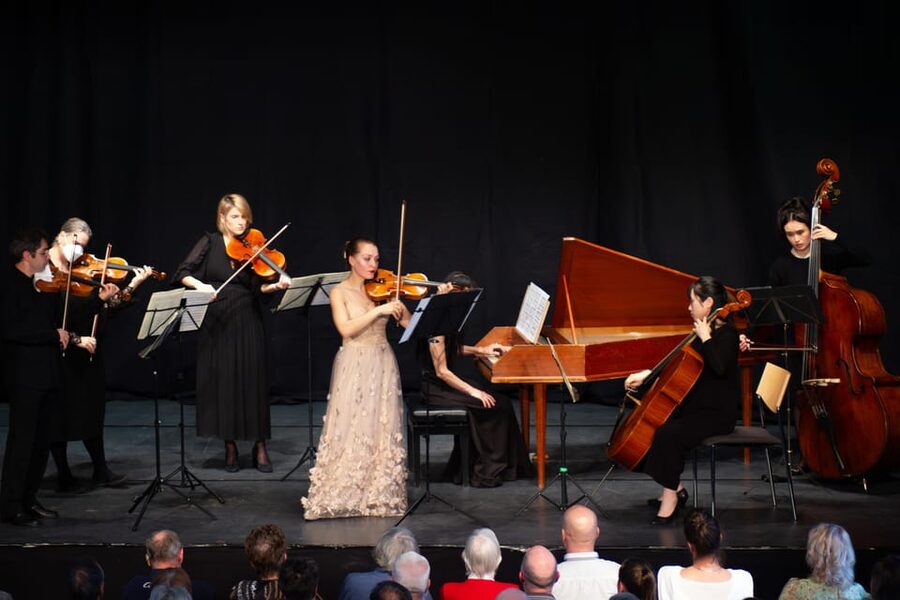
That can be especially effective for chamber music. A piano, violin, harpsichord, or small vocal group suits an intimate hall better than a huge stage. Programs such as Bach violin sonatas or Mozart piano works are built around detail, balance, and conversation between instruments. Aurora Hall should make those musical exchanges feel close and direct, although the available information does not specify the seating plan or acoustics.
The palace setting also gives the concert a clear identity. If you are already interested in art, music, and German court culture, the combination makes more sense than treating the performance as an isolated event. You can see the museum and then hear music in the same building, connecting the objects on display with the period sounds represented in the program.
You should keep your expectations sensible. This is not advertised as a large orchestra concert with theatrical staging. Several dates feature one or two performers, a piano, or a small ensemble. That is good news if you like focused performances, but less suitable if you want grand opera scenery or a full symphony orchestra.
Other northern lights trips people book around the world:
- From Reykjavik: Northern Lights Bus Tour with Hot Cocoa
★ 4.3 · 13,947 reviews - Tromsø: Northern Lights Safari with Expert Guides and Photos
★ 4.6 · 6,654 reviews - Tromsø: Northern Lights Pioneer Tour with Photos Included
★ 4.8 · 6,048 reviews
Choosing the right date from February to May 2026
The dates offer a useful spread of styles. I would choose based on the music you already enjoy rather than simply picking the first available evening.
February 15: Pure Romance, Romantic Duets
The opening listed program pairs soprano Inês Pinto with alto Kristina Naudé, accompanied by Beatrice Wehner-Schaller on piano. The vocal format gives you a chance to hear two contrasting voices working together, with the piano providing the musical foundation.
This is a natural choice if you enjoy lyrical singing and the emotional style associated with Romantic music. It may also suit someone attending a classical concert for the first time, since vocal duets offer an immediate human focus. Some of the material may be presented in its original language, so do not expect every word to be translated.
March 8: Mozart Piano Works, Complete Performance, Program 2
Maria-Magdalena Pitu-Jokisch performs the second program in a larger series devoted to Mozart’s piano works. The phrase complete performance suggests a planned sequence across several dates, so this concert is best for people who want to follow a broader Mozart project.
You do not need to attend every installment to enjoy this date. Still, the program may feel more rewarding if you appreciate hearing how a composer’s piano writing develops across different works. Since only one pianist is listed, the focus will be entirely on the keyboard performance rather than vocal or ensemble interplay.
A few more aurora nights around the world worth a look
- Rovaniemi: Northern Lights Tour with Guaranteed Sightings
★ 4.6 · 3,836 reviews - Tromsø: Northern Lights Chase with Photos and Bodysuits
★ 4.5 · 3,378 reviews - Small-Group Premium Northern Lights Tour from Reykjavik
★ 4.4 · 2,977 reviews - #1 Northern Lights Tour In Iceland from Reykjavik with PRO photos
★ 4.5 · 2,887 reviews
March 22: Mozart Songs, Arias, and Duets
Yuri Mizobuchi, mezzo-soprano, and Stephen Barchi, baritone, perform with Graham Cox on piano. This date offers more variety than a recital built around a single voice, moving among songs, arias, and duets.
I would pick it if you want a taste of Mozart’s vocal music without committing to a full opera production. You get two singers and a pianist, but no staged action is listed. That means the appeal rests on the voices, the music, and the historic room rather than costumes or scenery.
March 29: The Seven Last Words of the Savior on the Cross
The Mozart Ensemble Berlin performs this program. The title points to serious religious material, and the evening may appeal most to listeners who enjoy reflective, weighty works rather than light opera or sparkling piano pieces.
The supplied details do not identify the individual instruments or singers in the ensemble, so you should not assume a specific format. The performance is listed as a 90-minute concert, making it suitable for a focused evening of music without a long intermission-heavy production.
April 3: The Music Book of Frederick the Great
Susanne Ehrhardt performs recorders and Yuko Tomeda plays harpsichord. This is one of the more distinctive choices in the schedule because of the period-instrument pairing and its connection to Frederick the Great.
The recorder and harpsichord combination gives the program a different color from the piano recitals. Choose this date if you want to hear early music instruments and are curious about music associated with a royal court. It is also a good match for anyone who plans to spend time in the palace museum, since the subject and setting point toward the same historical world.
April 4: Mozart Piano Works, Complete Performance, Program 3
Naoko Fukumoto takes over for the third program in the Mozart piano series. If you attended the March 8 concert, this offers a continuation with a different pianist. If not, it works as a stand-alone Mozart recital.
The single-piano format puts the emphasis on interpretation and the sound of the instrument. That can be deeply satisfying if you like concentrated listening, but you should choose another date if you need vocal variety or several instruments to keep the program moving.
April 5: Piano Magic for Four Hands
Naoko Fukumoto and Maria-Magdalena Pitu-Jokisch share the piano for a four-hands program. Two pianists playing one instrument creates a lively visual and musical setup, with both performers coordinating closely across the keyboard.
This is probably the most approachable choice for a mixed group with different musical tastes. You get the power and range of piano music, but also the unusual spectacle of two performers sharing one keyboard. The word magic is promotional language, so I would read it as a playful description of the format rather than a promise of a theatrical show.
April 6: Classical Violin Sonatas
Annegret Pieske performs violin, accompanied by Victoria Litsoukova on piano. This is a classic chamber pairing, with the violin and piano sharing the musical conversation rather than one simply accompanying the other.
Pick this date if you prefer instrumental music with a clear melodic line. It should also suit you if you want something more intimate than a vocal program. The listing does not name the composers, so you will need to choose based on the format rather than a particular sonata.
May 1: Schubert Potpourri
Stephen Barchi sings with Maria-Magdalena Pitu-Jokisch on piano. A potpourri usually means a varied selection rather than one single large work, which makes this a sensible choice if you want several sides of Schubert in one sitting.
Baritone and piano are well suited to song recital music. As with the Mozart vocal programs, some material may be performed in its original language. The focus here is likely the partnership between singer and pianist, not staged action.
May 10: Bach Violin Sonatas 2
Marianne Boettcher plays violin with Yuko Tomeda on harpsichord. The second installment indicates a continuing Bach sonata project, while the harpsichord gives the program a period sound distinct from a modern piano recital.
This is one of the strongest choices for a serious chamber-music listener. It is also a fine option if you want to compare the sound of a harpsichord with the piano used on other dates. The number 2 suggests a series, but you can still attend this listed performance without assuming prior attendance.
May 17: Piano Music to Dream To
Maria-Magdalena Pitu-Jokisch presents a solo piano program with a calm, restful theme. This could work well after a full day of sightseeing, especially if you want an evening that favors mood and quiet concentration.
The title signals a gentle program, not a high-energy recital. If you prefer dramatic opera or technically showy ensemble work, another date may suit you better.
May 31: Iberian Sounds
Inês Pinto returns on soprano, joined by Márcio Silva on guitar. The combination promises a different vocal color and accompaniment from the piano-based programs earlier in the schedule.
This is a good pick if you want variety within the series. The guitar gives the music a more distinctive character, while the Iberian theme sets it apart from the Mozart, Bach, and Schubert dates. The exact composers are not provided, so book it for the vocal and guitar pairing rather than a named work.
What the 90-minute format means for your evening
A 90-minute concert is long enough to feel substantial but short enough to fit neatly into a Berlin sightseeing day. You are not committing an entire afternoon or evening to a large production, and the duration should be manageable if you are combining the performance with the museum.
The best way to use the time is to choose one musical theme and let the palace visit support it. For example, pair the Frederick the Great program with time in the museum, or select a Mozart date if you want to focus on one composer across several parts of your visit.
Starting times vary by date, so check the schedule before you book. The meeting point is Aurora Hall, not a separate city venue. That simple detail matters in Berlin, where a wrong assumption about the venue can turn a pleasant concert plan into a rushed cross-town trip.
Is $33 a fair price?
At $33 per person, the value depends on how much you want both the music and the setting. For a 90-minute performance with named professional artists and free museum admission, the price is reasonable for a cultural evening in Berlin.
The strongest value comes from the combination. If you would visit Köpenick Palace anyway, the included museum entry adds something tangible. You also avoid paying separately for a museum visit before or after the concert.
The value is less clear if you are only looking for a famous orchestral performance. Many listed dates feature a solo pianist, a singer with piano, or a small chamber pairing. That is not a weakness, but it means the ticket is aimed at listeners who appreciate intimate classical music rather than scale.
I would also keep the rating of 4.1 from only five posted ratings in perspective. It is a useful signal, but not a large enough sample to settle the question on its own. The strongest positive point is straightforward: the music was described as formidable. The main negative points concern hall temperature and one serious event-management problem.
Comfort, language, and practical cautions
The hall is listed as wheelchair accessible, which is useful if step-free access matters to you. The information does not explain the exact seating arrangement, bathroom location, or whether a companion ticket has special terms, so contact the provider if you need those details confirmed.
Temperature deserves attention. A September 2, 2025 account reported excessive heat and no refrigeration in the room. Berlin weather can vary greatly, and the condition may change by season, but I would dress in light layers and avoid assuming that a historic hall has modern climate control.
Audio recording is not allowed, and alcohol and drugs are prohibited. You should plan to listen without recording the performance. Some content is presented in its original language, particularly relevant to songs, arias, and duets.
Free cancellation is available up to 24 hours before the activity for a full refund, and reserve-now-pay-later booking is offered. One dated account from May 27, 2025 reported that a paid event did not take place and that there had been no response at that point. That is a serious warning, even though it does not tell you how current operations will perform for the 2026 dates. Keep your confirmation and check the event details before setting out.
Who should book this palace concert?
I would recommend it to you if you enjoy chamber music, vocal recital programs, historic buildings, or the chance to hear familiar composers in a less formal setting. The schedule is broad enough to suit several tastes, but you need to select carefully.
Choose a Mozart piano date for focused keyboard music. Pick four-hand piano for something more unusual and sociable. Choose Bach violin sonatas or the Frederick the Great program if you like early music and period instruments. Select the vocal dates if you want songs, arias, and duets rather than purely instrumental work.
I would be more cautious if you want English-language explanation, modern theater production, a large orchestra, or guaranteed climate-controlled comfort. The original-language note and the small-scale formats make this a music-first experience, not a guided show.
Should you book the Aurora Hall concert?
Book it if the date matches your musical taste and you like the idea of hearing a 90-minute program inside Köpenick Palace. The included museum admission strengthens the price, and the performer list gives you plenty of specific reasons to choose one date over another.
Before paying, check the exact program, start time, and venue details. If the hall’s temperature is a concern, ask about current conditions. I would choose the concert for its music and setting, while treating the booking history and comfort note as reasons to plan carefully rather than ignore.
FAQ
Where does the concert take place?
The concert takes place in Aurora Hall at Köpenick Palace in Berlin.
How long is the concert?
The activity lasts 90 minutes.
How much does the experience cost?
The listed price is $33 per person.
Is museum admission included?
Yes. Free museum admission is included with the concert experience.
Which composers and musical styles are represented?
The schedule includes Mozart, Bach, Schubert, Romantic duets, classical violin sonatas, vocal music, piano music, recorder and harpsichord works, and Iberian sounds.
Is the activity wheelchair accessible?
Yes. The activity is listed as wheelchair accessible.
Can I cancel for a full refund?
Yes. You can cancel up to 24 hours in advance for a full refund. Reserve-now-pay-later booking is also available.
Just added around the world
- Ylläs: Seeking Northern Lights Photo Tour★ 3.8 · 32 reviews
- Yellowknife: 2 Nights Aurora Hunting and Viewing in Cabin★ 4.4 · 6 reviews
- Ylläs: Northern Lights Ice-Floating Experience with Transfer★ 5.0 · 18 reviews
- Ylläs: Northern Lights Snowmobile Safari with Transfers★ 4.7 · 14 reviews
- Ylläs: Northern Lights Dinner with Snowcat Ride★ 4.7 · 13 reviews
- Tromsø: Snowmobile Tour with Aurora Crystal Lavvo Stay★ 4.8 · 66 reviews
- Whitehorse: Aurora Viewing with Wild Adventure Yukon★ 3.5 · 2 reviews
- Whitehorse: Luxury Northern Lights Viewing★ 4.9 · 11 reviews
Northern Lights Tours, compared.
Northern Lights Safari with Expert Guides and Photos
Read our review →
Northern Lights Pioneer Tour with Photos Included
Read our review →
Northern Lights Tour with Guaranteed Sightings
Read our review →
Northern Lights Chase with Photos and Bodysuits
Read our review →
Small-Group Premium Northern Lights Tour from Reykjavik
Read our review →
#1 Northern Lights Tour In Iceland from Reykjavik with PRO photos
Read our review →